Seasonal Bee Activity and When Pest Control Is Most Effective
Understanding seasonal bee activity and when pest control is most effective helps you connect with local service providers who can safely and efficiently handle bee removal during peak times.
Understanding seasonal bee activity and when pest control is most effective can be crucial for property owners looking to protect their homes and outdoor spaces. Bees tend to be most active during specific times of year, which can influence the timing of pest management efforts. Knowing these patterns helps in planning effective interventions and can prevent unexpected infestations or stings during peak activity periods. Local contractors who specialize in seasonal bee control are well-versed in these cycles and can recommend the best times to address bee-related concerns, ensuring that property owners stay ahead of potential issues.
For those in the area concerned about bees and other pests, exploring the timing of seasonal bee activity and when pest control is most effective offers practical benefits. It can help property owners avoid disruptions and ensure that interventions happen when they’re most likely to succeed. Local service providers offer tailored solutions aligned with these seasonal patterns, providing expert assistance to keep outdoor environments safe and comfortable. Continuing to learn about these seasonal trends empowers property owners to make informed decisions and connect with the right professionals for their needs.
- Seasonal bee activity and when pest control is most effective can vary throughout the year, prompting local contractors to time treatments accordingly. Professionals often recommend addressing bee issues during early spring or late summer when populations are most vulnerable. During peak seasons, local service providers use targeted methods to safely remove or control bee colonies. Off-peak periods may require different strategies, which local experts can tailor to the situation. Contact local contractors to determine the best timing for seasonal bee control services based on local bee activity patterns.

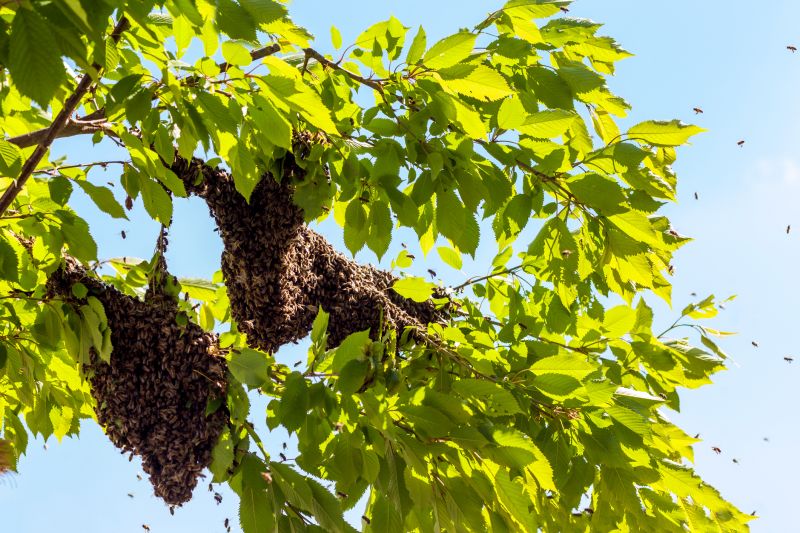
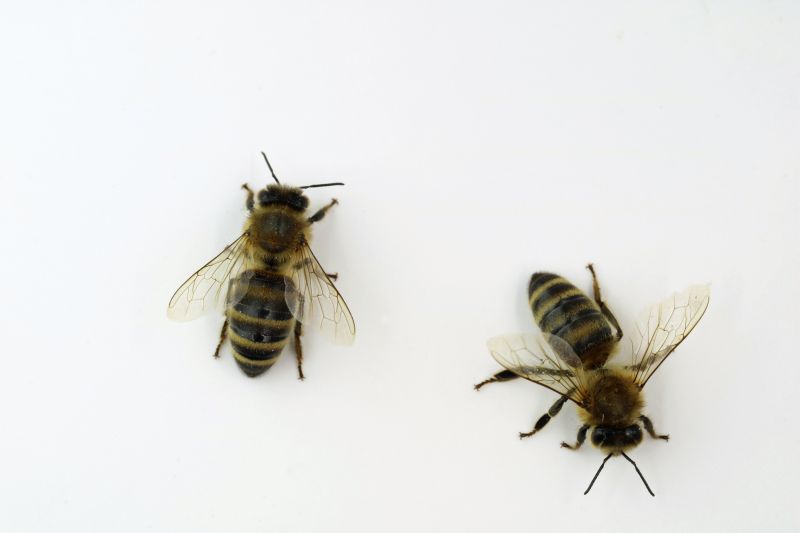
Understanding seasonal bee activity and when pest control is most effective is a common concern for homeowners dealing with bee-related issues. Many people searching this topic want to know the best times to address bee problems, especially when bees are most active or when their colonies are most vulnerable. This can be related to plans for removing a hive, preventing bee infestations, or ensuring safety during outdoor activities. Homeowners often seek guidance on how seasonal changes influence bee behavior, aiming to coordinate pest control efforts during periods when treatments are most successful or least disruptive.
Problems linked to seasonal bee activity typically involve unwanted colonies establishing themselves in or around residential properties. Bees may build hives in wall voids, attic spaces, or on exterior structures, creating safety concerns or potential property damage. Homeowners might also be planning renovations or outdoor projects and want to avoid disturbing active colonies during peak times. Properties affected by seasonal bee activity often include single-family homes, small apartment complexes, and even commercial buildings with outdoor areas. Recognizing the timing of bee activity helps in scheduling pest control services to minimize disruption and maximize effectiveness.
The timing of pest control for bees is most effective during specific seasons when their activity levels fluctuate. For example, early spring and late summer are often considered prime times for treatment, as bee colonies are either establishing or preparing to hive for winter. During these periods, local service providers can implement targeted removal or exclusion strategies to reduce the chances of a new colony forming or an existing one expanding. Understanding these seasonal patterns allows homeowners to plan ahead and work with experienced contractors who specialize in bee control, ensuring that interventions are performed when they will have the greatest impact.
Different types of properties face unique challenges related to seasonal bee activity, making it important to tailor pest control approaches accordingly. Homes with well-maintained yards, gardens, or outdoor living spaces are more likely to attract bees during certain times of the year, especially if flowering plants are nearby. Commercial properties, such as restaurants or retail stores with outdoor seating, also need to consider seasonal bee activity to prevent disruptions. Local contractors experienced in seasonal bee control can assess property-specific factors and recommend the best times for treatment, helping homeowners and property managers manage bee issues effectively while minimizing risks and ensuring safety.
Wildlife Removal Projects - Professionals skilled in wildlife removal can handle bee hive extraction and ensure safe removal during peak seasonal activity periods.
Pest Inspection Services - Local contractors offering pest inspections can identify early signs of bee activity and advise on the most effective times for control.
Exclusion and Sealing Projects - Experts can seal entry points to prevent bees from establishing nests, especially during seasons of increased activity.
Honey Bee Relocation Services - Specialists can safely relocate bee colonies, aligning with seasonal patterns to minimize disruption and promote hive health.
Structural Repair Projects - Contractors experienced in repairing damage caused by bee activity can address issues before peak seasons to prevent infestations.
Outdoor Pest Control Treatments - Service providers can apply targeted treatments during optimal times to reduce bee populations and protect property during active seasons.
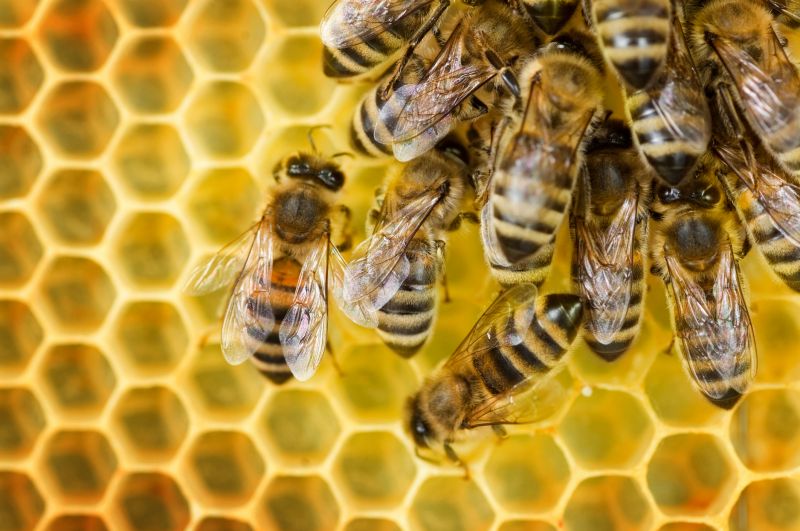
When evaluating service providers for seasonal bee activity and pest control, it’s important to consider their experience with similar projects. Homeowners should look for local contractors who have a proven track record handling bee-related issues during different times of the year. An experienced professional will understand the nuances of seasonal bee behavior and know the most effective methods for managing infestations at various stages. This background can help ensure that the chosen service provider is familiar with the unique challenges posed by seasonal fluctuations and can tailor their approach accordingly.
Clear, written expectations are essential when comparing local pros for seasonal bee control services. Homeowners should seek detailed descriptions of the services offered, including what methods will be used and what results can be reasonably anticipated. Transparent communication about the scope of work helps prevent misunderstandings and ensures that both parties are aligned on what the project entails. Well-defined expectations also make it easier to assess whether a contractor’s approach aligns with the homeowner’s needs for managing bee activity and optimizing pest control effectiveness throughout the year.
Reputable references and good communication are key factors to consider when choosing a local contractor for seasonal bee management. Pros with positive references from previous clients can provide insights into their reliability and the quality of their work. Additionally, effective communication-whether through timely responses or clear explanations-helps homeowners feel confident in the process and allows for questions or concerns to be addressed promptly. Selecting a service provider who demonstrates professionalism and transparency can contribute to a smoother experience, ensuring that seasonal bee activity is managed effectively and pest control measures are implemented at the most appropriate times.
Property owners often search for seasonal bee activity and when pest control is most effective when they are planning practical projects around their homes and businesses. Local pros provide Seasonal Bee Control services for everyday jobs and straightforward project options.
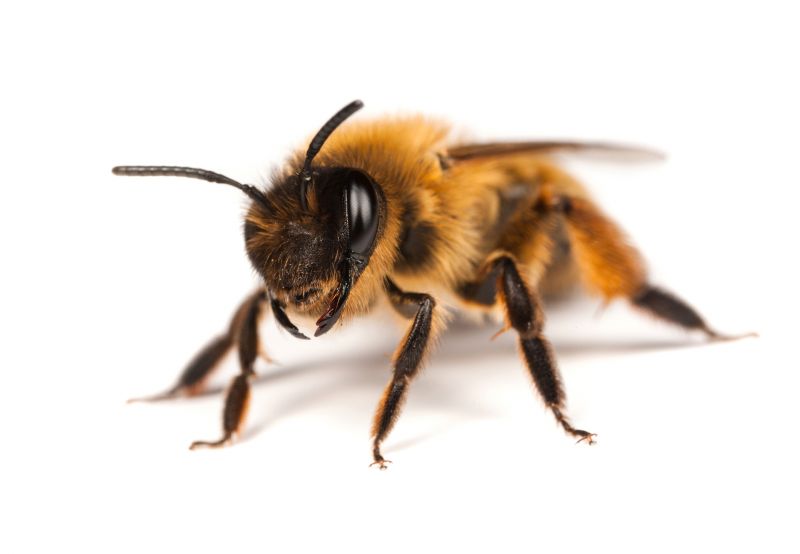
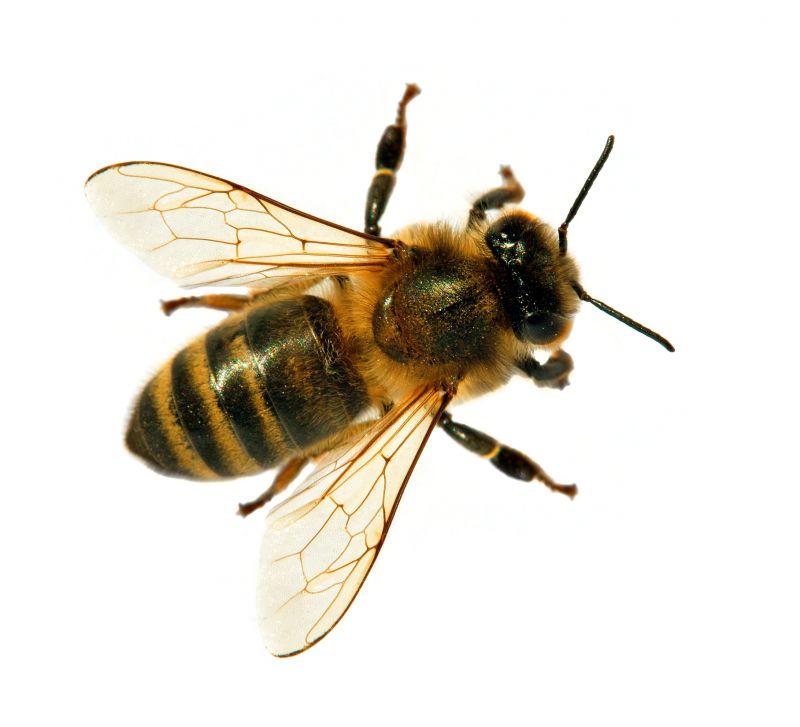
Understanding seasonal bee activity and when pest control is most effective can help property owners better manage potential bee-related issues throughout the year. During warmer months, bee activity tends to increase, leading to more frequent sightings around homes and structures. This heightened activity may prompt property owners to seek advice on safe and effective pest control options, especially if bees are establishing nests nearby. Local contractors experienced in seasonal bee control can provide guidance on the best times to address these concerns, helping to prevent larger problems or potential bee swarms.
Timing is also important when considering pest control services for bees, as certain seasons offer more effective opportunities for removal or deterrence. Many property owners look into seasonal bee control services when activity peaks or when nests become a safety concern. Local service providers are equipped to handle bee removal and prevention during these critical periods, ensuring that interventions are both timely and appropriate. Connecting with local contractors during these seasons can help maintain a safe environment while addressing bee activity in a way that aligns with seasonal patterns.
When is seasonal bee activity at its peak? Seasonal bee activity tends to increase during spring and summer months when flowers are abundant, making pest control more effective during these periods.
Why is timing important for bee pest control? Timing is crucial because pest control efforts are most successful when bee activity is high, allowing professionals to safely remove colonies before they become more established.
Are there specific times of year when pest control is less effective? Pest control may be less effective during late fall and winter when bee activity diminishes, but local contractors can advise on the best approach for each season.
How do seasonal changes affect bee behavior and pest control strategies? Changes in temperature and flowering cycles influence bee activity, prompting local service providers to adjust their methods for optimal results throughout the year.
When should homeowners seek bee control services for seasonal management? Homeowners should consider scheduling bee control services during peak activity seasons, typically spring and summer, for the most effective removal and prevention.
Timing pest control efforts around seasonal bee activity - property owners can plan pest control projects during periods of low bee activity to reduce disruptions and improve effectiveness with the help of local contractors.
Monitoring bee activity patterns throughout the year - tracking when bees are most active can help property owners coordinate with local pros for targeted treatments at optimal times.
Preparing property spaces for seasonal pest control - property owners can clear or seal potential bee nesting sites ahead of peak activity seasons to support local service providers in their work.
Understanding seasonal fluctuations in bee populations - knowing when bee populations tend to increase or decrease allows property owners to schedule pest control services at times when they are most likely to succeed.
If you are thinking about seasonal bee activity and when pest control is most effective for a property, this guide is meant to help you understand this topic, the typical project types, and how different options might fit your plans.
When you are ready, you can use the quote form on this page to share a few details about your project. From there, local pros can review the basics and follow up with options that match what you have in mind.