Bees vs. Wasps: Understanding the Difference for Proper Pest Control
People searching for bee and wasp pest control want to safely remove nests and prevent stings, and local service providers can handle the job effectively.
Understanding the differences between bees and wasps is essential for property owners who want to manage pest concerns effectively. While both insects can pose risks, they have distinct behaviors, nesting habits, and roles in the environment. Recognizing these differences can help determine the safest and most appropriate approach to removal or control, especially when nests are near homes, gardens, or outdoor gathering areas. Property owners in the area might explore this topic to better identify potential threats and ensure that any pest management efforts are targeted and responsible.
Local service providers specializing in bee and wasp pest control offer tailored solutions based on the specific needs of each situation. Whether it’s safely removing a wasp nest or protecting bee populations, these experts understand the nuances of managing these insects properly. Learning about bees vs. wasps: understanding the difference for proper pest control can help property owners make informed decisions and connect with the right professionals to handle the job effectively. Keep reading to find out how local contractors can assist with safe, effective pest management options.
- Bee removal services - needed when bees establish nests near homes or in outdoor spaces, with local contractors safely relocating hives to prevent damage.
- - required when wasps build aggressive nests in eaves, attics, or ground burrows, with service providers targeting the nest for removal and pest reduction.
- Bee and wasp prevention services - offered to help homeowners reduce the likelihood of future infestations by sealing entry points and removing attractants, with local experts implementing tailored strategies.
- Nest removal services - necessary when existing nests pose safety concerns or interfere with outdoor activities, with professionals carefully removing and disposing of the structures.
- Pest identification consultations - helpful when unsure whether the pests are bees or wasps, enabling local pros to recommend the appropriate treatment or removal approach.
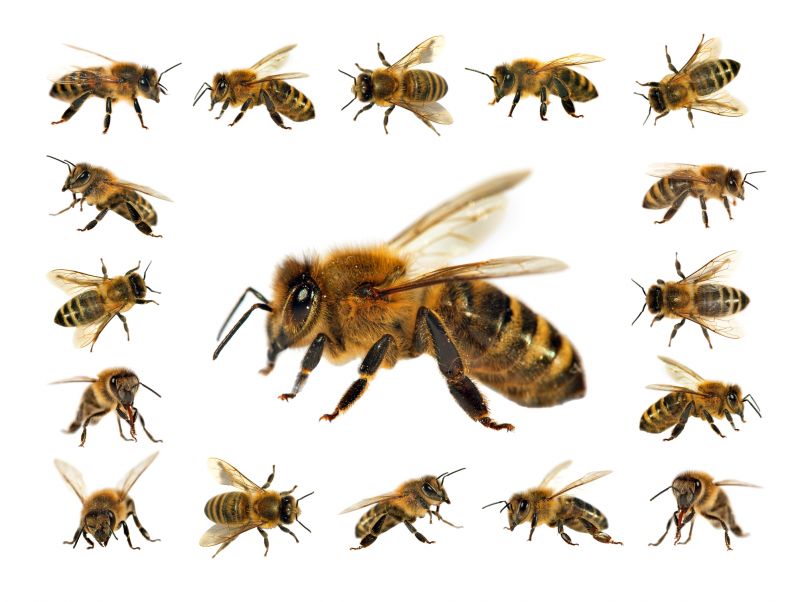
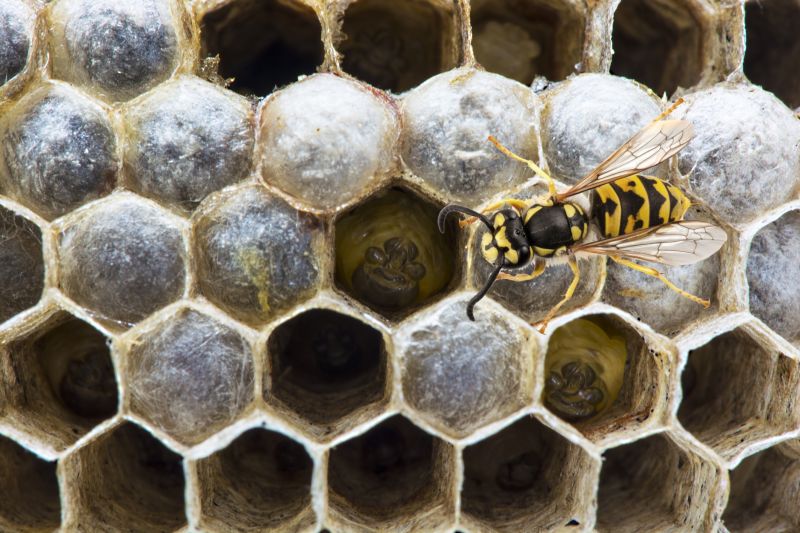
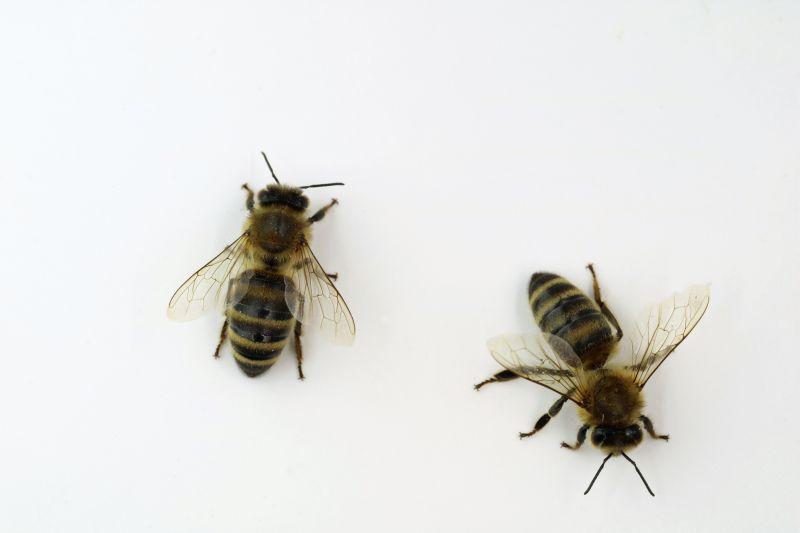
When people search for bees vs. wasps: understanding the difference for proper pest control, they often want to identify which insects are causing concern around their property. This topic typically arises when homeowners notice a nest or swarm and want to determine whether it’s a hive of honeybees or a wasp colony. Recognizing the difference is important because the approach to removing or managing these insects varies significantly. Bees, especially honeybees, are generally seen as beneficial pollinators and may require careful handling to protect their populations, while wasps are more aggressive and tend to pose a greater threat to people and pets. Understanding these distinctions helps homeowners plan appropriate pest control strategies that are effective and safe.
This topic often relates to problems such as nuisance from stinging insects, potential health risks, or property damage caused by nests. For example, a homeowner might notice a large, buzzing swarm near their porch or yard and want to prevent accidental stings or injuries. Some might be planning to remove a nest before children or pets come into contact with it, or they may simply want to eliminate the insects altogether. Proper identification of bees versus wasps can influence whether a pest control plan involves humane removal, nest relocation, or more immediate elimination. Local service providers who specialize in bee and wasp pest control can assess the situation, identify the species involved, and recommend the best course of action based on the specific pest problem.
The types of properties that commonly encounter issues with bees and wasps include residential homes, especially those with yards, gardens, or outdoor living spaces. Commercial properties such as restaurants, cafes, or outdoor event venues also often face challenges with these insects, particularly during warmer months when nests are active. Structures like eaves, sheds, or trees provide ideal nesting sites for wasps, while bees may establish hives in wall cavities, under decks, or in tree branches. Understanding the property type helps homeowners and property managers recognize where nests are likely to form and when to seek professional help. Local contractors experienced in bee and wasp pest control are equipped to handle a range of property types, ensuring nests are removed safely and effectively to reduce risks and nuisance.
In many cases, addressing bees vs. wasps: understanding the difference for proper pest control involves not only identifying the insects but also choosing the right treatment approach. Since bees and wasps can look similar at a glance, expert assessment is often necessary to distinguish them accurately. Local pest control providers can evaluate the situation, determine the species involved, and recommend targeted solutions that align with property needs and safety considerations. Whether it’s humane bee removal or wasp nest elimination, working with experienced professionals ensures that the job is handled properly, minimizing risks to residents and the environment. Proper identification and treatment are key steps toward effective pest management and maintaining a safe, comfortable outdoor space.
Wildlife removal services involve safely relocating insects like bees and wasps, requiring knowledge of their behaviors and nesting habits essential for proper pest management.
Extermination and pest control projects focus on eliminating wasp nests and preventing bee infestations, utilizing specialized tools and planning to ensure effective removal.
Insect habitat inspection services help identify nesting sites and differentiate between bee and wasp colonies, aiding in targeted pest control strategies.
Structural repair and sealing projects involve sealing entry points to prevent future bee and wasp nesting, requiring planning and tools similar to pest exclusion efforts.
Seasonal pest management programs include monitoring and controlling stinging insects, emphasizing the importance of understanding insect behaviors for effective intervention.
DIY pest prevention consultations provide guidance on recognizing bee and wasp nests and safe removal techniques, often supported by local contractors with expertise in insect control.
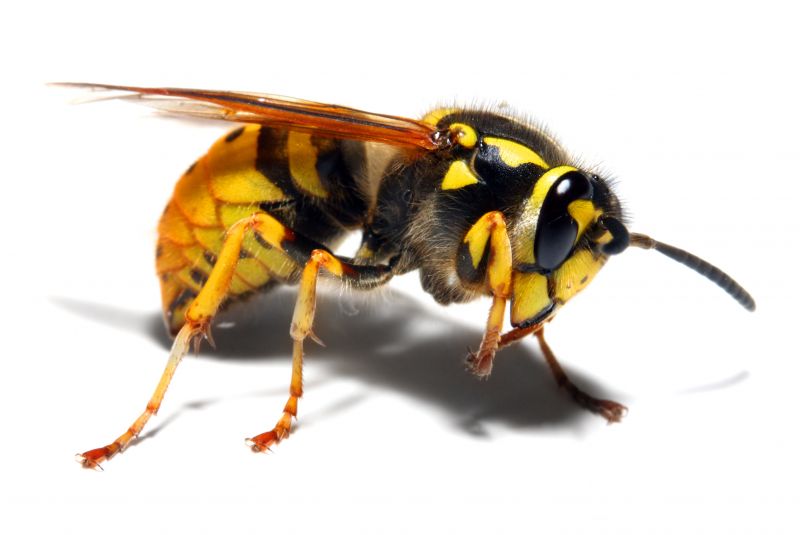
When comparing local contractors for bees vs. wasps: understanding the difference for proper pest control, it is important to consider their experience with similar projects. Homeowners should seek service providers who have a history of handling bee and wasp removal or control jobs, as these pests can require different approaches. An experienced contractor will know how to identify the species involved, assess the severity of the infestation, and determine the safest and most effective methods for removal or exclusion. This familiarity helps ensure that the pest problem is addressed properly and reduces the risk of damage or unintended harm.
Clear written expectations are essential when evaluating potential service providers. Homeowners should look for contractors who provide detailed descriptions of their services, including what the pest control process entails, whether they handle nest removal, and how they plan to prevent future issues. Transparency in the scope of work helps prevent misunderstandings and allows homeowners to compare offerings objectively. It also encourages service providers to communicate their approach upfront, fostering trust and confidence that the job will be completed to a satisfactory standard.
Reputable references and good communication are key factors when choosing a contractor for bees vs. wasps: understanding the difference for proper pest control. Service providers who can offer references from past clients demonstrate their reliability and effectiveness. Additionally, clear and prompt communication throughout the process ensures that homeowners stay informed and can ask questions or express concerns. This level of professionalism helps create a smooth experience and increases the likelihood that the pest control services will meet expectations, whether it involves removal, exclusion, or ongoing prevention measures.
Property owners often search for bees vs. wasps: understanding the difference for proper pest control when they are planning practical projects around their homes and businesses. Local pros provide Bee and Wasp Pest Control services for everyday jobs and straightforward project options.
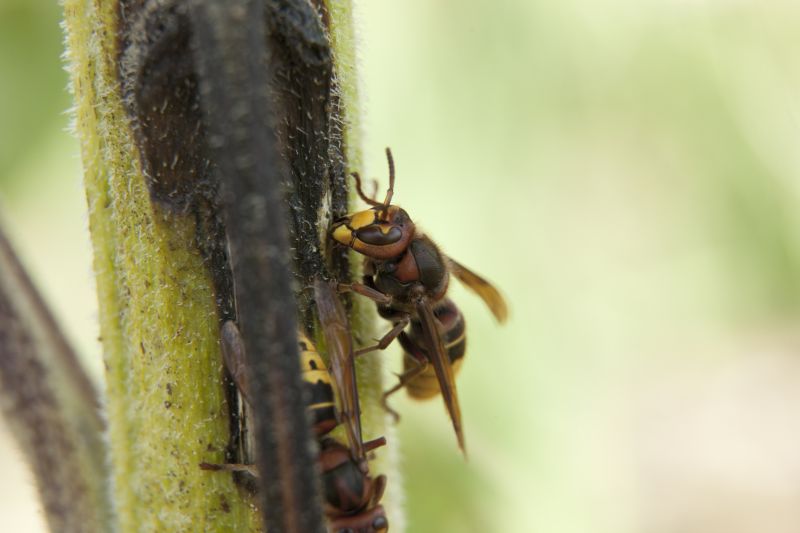
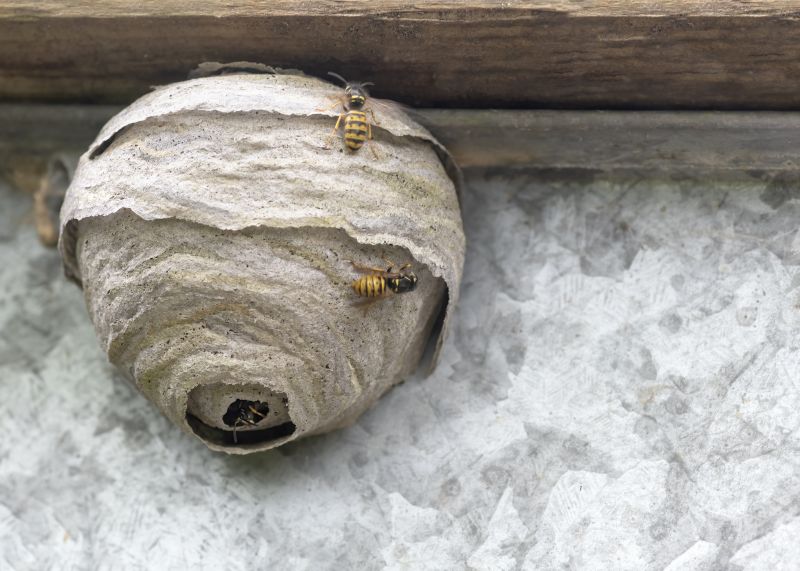
Understanding the differences between bees and wasps can be important for property owners dealing with unwanted pests. Bees are typically more docile and tend to gather around hives or flowering plants, while wasps are often more aggressive and may build nests in eaves, shrubs, or underground. Recognizing these distinctions helps homeowners determine the safest and most effective approach to pest control, especially when nests are located near high-traffic areas or outdoor living spaces. Local contractors specializing in bee and wasp pest control can assess the situation, identify the type of insect involved, and recommend appropriate removal or management strategies to prevent stings and property damage.
Many property owners seek out professional bee and wasp pest control services to address infestations safely and efficiently. Proper identification is crucial because methods for removing bees, such as relocating a hive, differ significantly from controlling wasp populations, which often require targeted nest removal. Local service providers have the experience and tools to handle these pests responsibly, ensuring that nests are removed or managed in a way that minimizes risks. Connecting with local contractors can help property owners resolve bee and wasp issues effectively, making outdoor spaces safer and more enjoyable.
What is the main difference between bees and wasps? Bees are typically hairy, have a barbed stinger, and are generally more attracted to flowers, while wasps have a smooth stinger, are less hairy, and often build nests in sheltered areas.
Why is it important to distinguish between bees and wasps for pest control? Proper identification helps local contractors choose the most effective removal methods and ensures safe and targeted pest control solutions.
Can local pest control services remove both bees and wasps? Yes, many service providers have experience handling both bees and wasps, providing specialized treatments to safely eliminate or relocate nests.
Are bee and wasp nests treated differently during pest control? Yes, nests of bees and wasps often require different approaches; local pros can determine the best method to safely remove or manage each type of nest.
What should I do if I find a bee or wasp nest on my property? It's best to contact local pest control professionals who can identify the insect and safely handle nest removal or relocation services.
Identifying bee and wasp nests - property owners can learn to recognize the signs of different nests to inform the type of pest control needed, with local contractors providing targeted removal services.
Understanding behavior differences - knowing how bees and wasps react to disturbances helps determine the best approach for safe and effective pest management by local pros.
Timing pest control efforts - scheduling treatments during appropriate seasons or times of day can improve results, with local service providers advising on optimal timing for each insect type.
Choosing the right removal methods - selecting appropriate techniques based on whether dealing with bees or wasps ensures safe, efficient removal, with local contractors offering specialized solutions.
If you are thinking about bees vs. wasps: understanding the difference for proper pest control for a property, this guide is meant to help you understand this topic, the typical project types, and how different options might fit your plans.
When you are ready, you can use the quote form on this page to share a few details about your project. From there, local pros can review the basics and follow up with options that match what you have in mind.